





























 CONTACT FORM

- -15%


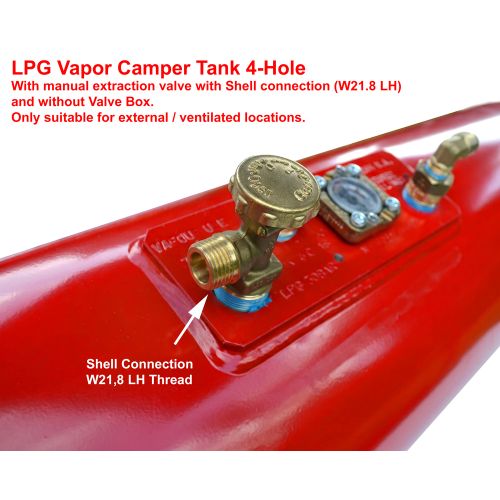


LPG Vapor Toroidal Camper Tank 53,5L (Ø600x230)GZWM 4 Hole 67R Incl. Valves - Cooking Heating
Type: GZWM ZTPP600/230 - 4-hole vapor gas cylinder gas tank (4x separate valves)
Approval: E20 67R03 01 001174 (High-Quality Automotive ECE 67R Approval.)
Tank capacity: Gross 53.5 Liter (80%=42.8 Liter)
Dimensions: Ø600 mm x Height: 230 mm
Gross Empty Weight: 35 kg
Mounting: 5x Mounting bracket at the top (Consult the instructions)
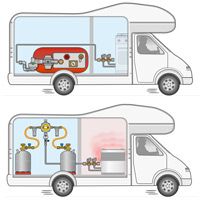
Tank position: Horizontal, suitable for placement in or under the vehicle (at the location of the spare wheel)
NB! Choose the tank in the correct configuration (Images for illustrative purposes and examples of configurations.)
Foreign companies with a valid VAT number shop VAT-free here! READ HOW.
 Shipping& Delivery
Discount on Shipping from €150,- and extra discount from €250,-
 Safe & Trusted
Webshop Trustmark Certified Member & Secured by SSL.
 TÜV ISO 9001
Certified by TÜV Nord Netherlands
 Refund policy
14-Day Reflection Period & Return Policy
LPG vapor tanks are specifically developed for the safe storage and extraction of gaseous LPG for cooking, heating, and cooling in motorhomes, caravans, and food trucks. Our red vapor tanks hold the high-quality Automotive ECE 67R approval, the strictest European safety standard for gas tanks in vehicles.
It is essential that not only the tank, but the entire LPG installation for domestic use in recreational vehicles complies with current national and European regulations (such as the EN 1949 standard). Depending on the country where the vehicle is registered, an official inspection of the complete LPG installation may be mandatory for legal operation and insurance coverage.
1. Create a comprehensive plan: We strongly advise you to make a full plan for your LPG system in advance. Consider the location and positioning of the tank, tank dimensions and valve variant, type of valve box, tank mounting, type of use (whether or not gas is used while driving), pressure regulator, and the low-pressure system (pipes, distribution/shut-off valves, gas hoses, and gas appliances). A well-thought-out plan is the basis for a safe gas installation and journey.
2. Check your measurements carefully: Exchanging an LPG tank is a costly matter. Due to the high weight and size, transport of these tanks often takes place on a pallet, which involves significant shipping costs. Therefore, measure exactly which type and size fits your specific application before ordering.
Below you will find a detailed overview of all technical aspects, installation instructions, and safety regulations. Click on the blocks for more information. We also provide examples of related products and parts for the rest of the LPG installation further down this page.
When purchasing your LPG vapor gas tank, you have the choice of three different variants for gas extraction. The type of valve determines how you further build your installation and whether the tank is suitable for internal or external mounting.
Standard version with a SHELL Male (G.2/G.4/G.5/G.8) connection and W21.8x1/14 Left-hand thread (completely made of brass without rubber). Ideal for connecting a pressure regulator directly to the vapor tank. (To connect a G.12 coupling, an adapter from G.5 to G.12 is required for a gastight seal.)
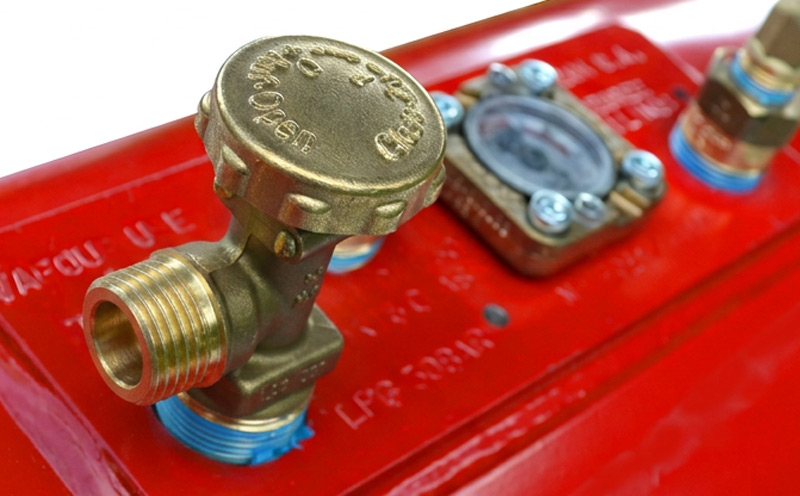
This variant is equipped with an 8mm compression fitting. This allows you to connect an 8mm LPG line (copper or plastic) directly towards the pressure regulator. Ideal for installations where the pressure regulator is mounted at a distance.
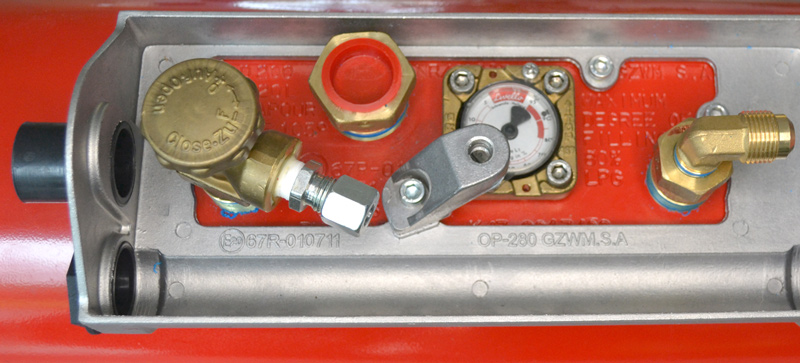
Enables opening and closing the tank from inside the vehicle via a switch (12V / 11W) (Normally Closed). Ideal when the tank is placed far under the vehicle and is difficult to reach. Features a 5/16" UNF Flare connection for 8mm pipes. Please note that staying stationary for long periods with the valve energized (Open) may drain the battery. Always use a fuse and relay.
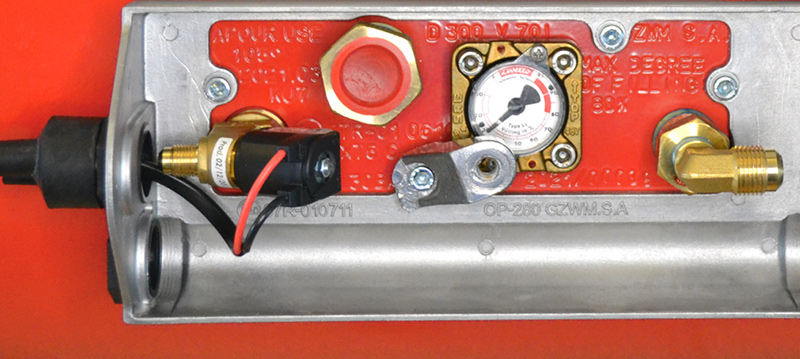
Our 4-hole LPG vapor gas tanks are equipped with 4 accessories (tank valves), namely:
All tank accessories are professionally assembled and tested by us before the tank is shipped. An optional valve box can be ordered for extra protection and controlled discharge of any blow-off gases.
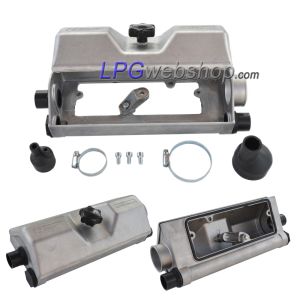
A valve box (accessory box) is used to protect the vulnerable accessories of your LPG tank from dirt and moisture. Please note: a valve box is available as an option and is not included with the tank as standard. When mounting in the interior of your vehicle, a gastight valve box is even legally required to safely discharge any blow-off gases to the outside.
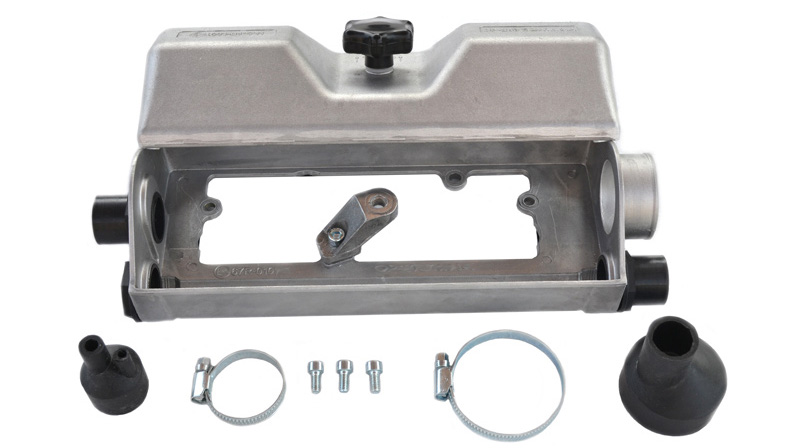
This classic aluminum box is intended for a fully gastight seal. Using the included rubbers and a vent hose with floor penetration (not included), you can safely place the tank in an interior space. The box captures any gases from the pressure relief valve and discharges them directly outside the vehicle.
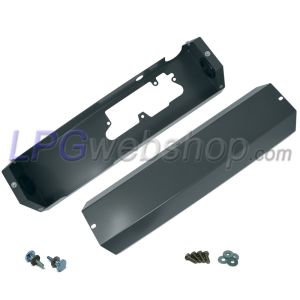
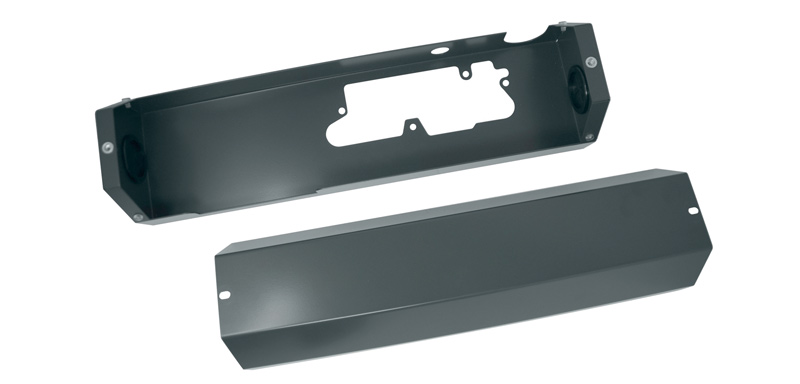
This robust steel cover is not gastight but offers optimal protection against dirt, splashing water, and stone chips. Thanks to the extended design, this box protects not only the accessories but also the pressure regulator if it is mounted directly on the tank. Ideal for under-vehicle installations.
The ability to seal the installation gastight (for internal mounting) depends heavily on the chosen tank valve:
If the LPG tank is placed in an external area (under-vehicle) or an already ventilated gas locker, a gastight finish is not required, but protection against weather influences remains necessary.
An LPG vapor tank allows you to use gas cost-effectively and safely in your motorhome, caravan, or food truck for cooking and heating. Since every vehicle is different, it is essential that the tank dimensions perfectly match the available space. Please note: The choice of the correct type and size is the responsibility of the installer. We advise you to read this article beforehand: LPG installation in a recreational vehicle.
This component stores liquid LPG and ensures its evaporation so that the gas leaves the tank in gaseous form. Most vapor tanks are recognizable by their red color and/or the "VAPOUR USE" marking and feature four accessories (filling, extraction, level gauge, and pressure relief). These tanks comply with the strict UNECE 67R automotive standards.
Many people assume these tanks are identical, but that is a dangerous assumption:
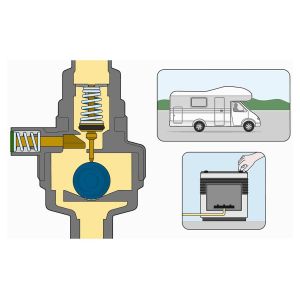
LPG is stored as a liquid, but a small portion evaporates at the top of the tank. As soon as you draw gas, the pressure drops and more liquid evaporates. This process extracts heat from the environment:
Do you have a very high gas demand (e.g., for a large food truck)? Consider coupling multiple cylinders or tanks for increased evaporation capacity.
Working with LPG requires technical expertise and extreme precision. For your own safety and that of others, it is essential to respect current laws and regulations and strictly follow the mounting instructions.
The following tutorials relate to this article:
Do you have any questions after reading these tutorials? Please contact our customer service for technical advice.
An LPG gas tank in a motorhome or food truck must be securely attached to the vehicle in accordance with the EN 12979 standard (or local national regulations). The tank must be mounted immovably to withstand the forces of a potential collision.
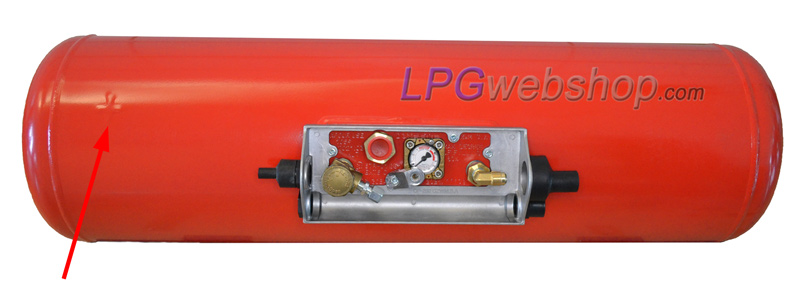
Pay close attention to the alignment mark (located to the left above the valves). This indicates the horizontal center plane and the top of the tank. After installation, the valves should point slightly downwards. If the tank is not correctly positioned, the 80% fill valve and the level gauge will not function properly, leading to issues during filling or emptying the tank.
These brackets clamp around the tank and feature a base that can be attached directly to the chassis or the floor of the vehicle. They are very robust and suitable for both under-vehicle and internal mounting. Available in various sizes for almost every tank diameter.
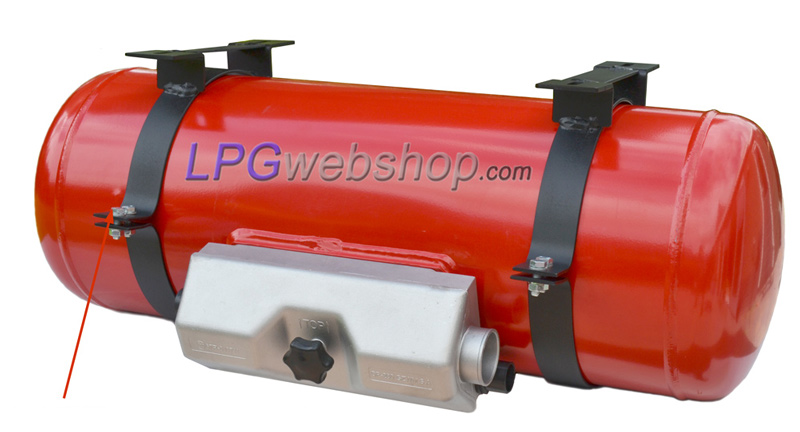
Ideal for creating a custom construction in combination with steel angle profiles. The rings clamp around the tank and can be welded or bolted to a frame. This method is suitable for under-vehicle and internal mounting.
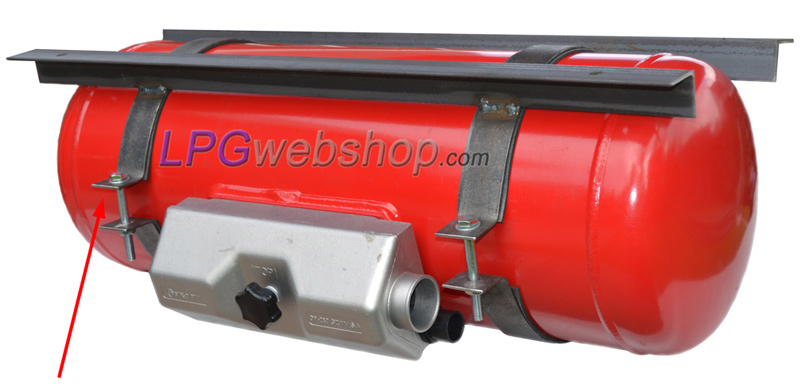
This system consists of a rack on which the tank is secured with steel straps. Note: Only suitable for internal mounting and for tanks with a diameter of 27 cm up to 40 cm (max. 140L). For tanks larger than 85L, always use 4 straps.
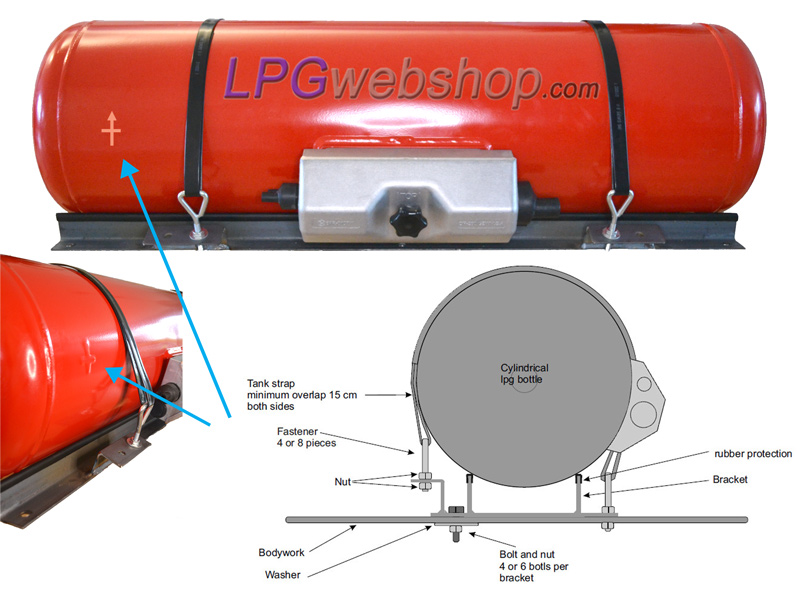
For more detailed instructions, please refer to our tutorial: Mounting instructions for LPG cylindrical tanks.
A safe and reliable LPG installation consists of a chain of high-quality components. From the physical mounting and the refuelling system to the pressure regulation and level monitoring; each part plays a crucial role in the safety and ease of use of your system. The most important guideline for gas installations in recreational vehicles, such as motorhomes, is the EN 1949 standard.
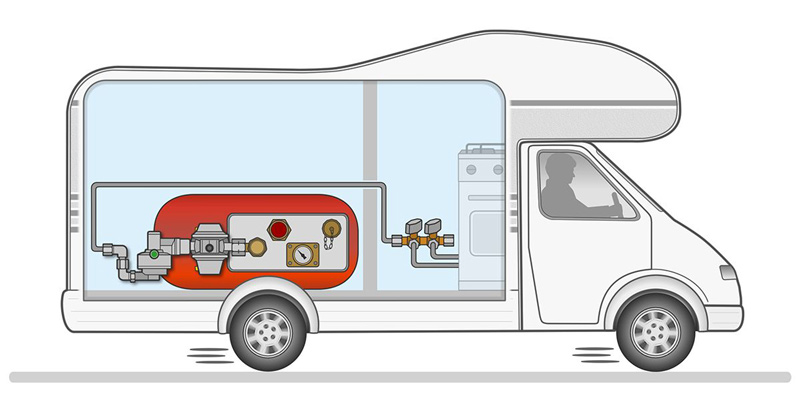
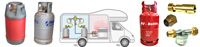
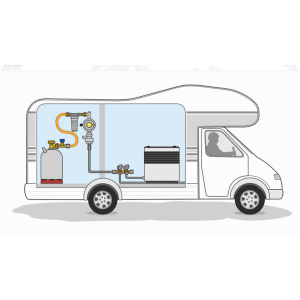
Typical layout of a complete vapor tank installation
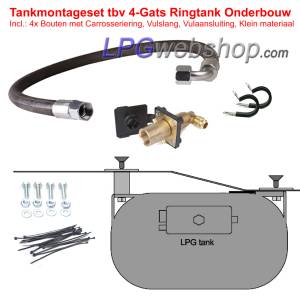
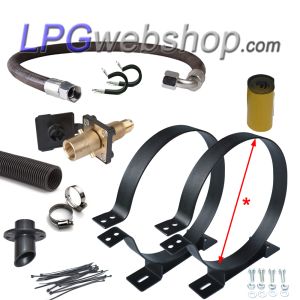
The foundation of a safe installation is a secure attachment. You can use individual mounting brackets or a vapor tank mounting set (rear set). These sets include certified brackets and a refuelling system of your choice. See the "Mounting & Installation" block for more details.
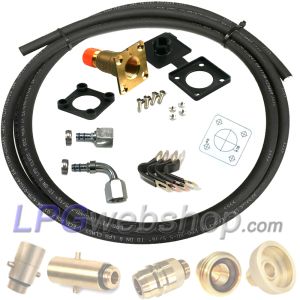
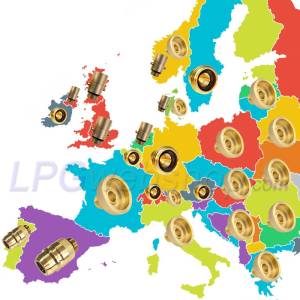
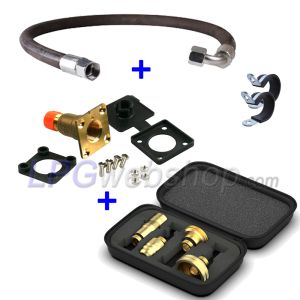
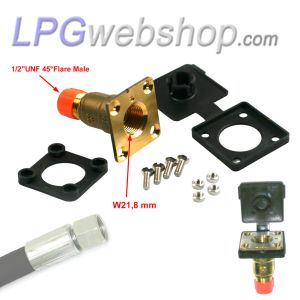
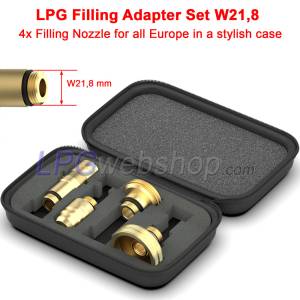
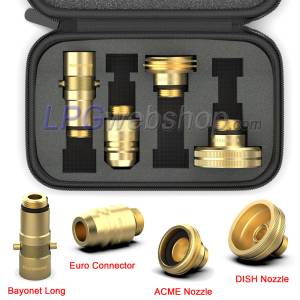
For maximum refuelling convenience, we recommend a complete external filling set. These all-in-one packages include an external filling point (flat or surface mount), a custom-length filling hose, pipe clips, and a set of European filling adapters. This allows you to refuel throughout Europe without having to open the gas locker.
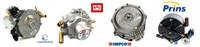
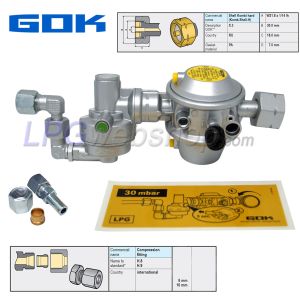
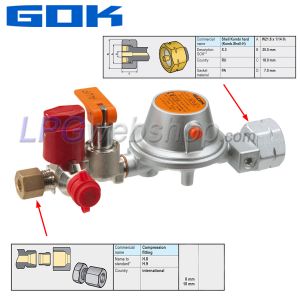
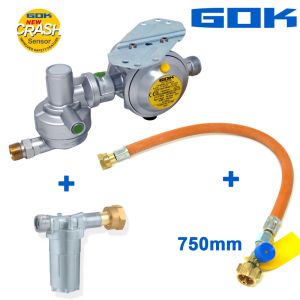
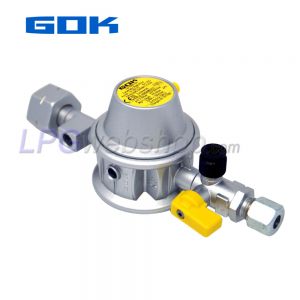
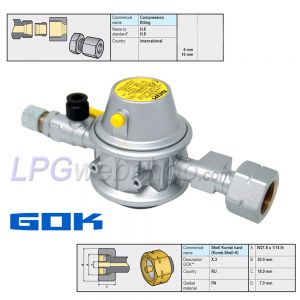
The use of a pressure regulator is essential to reduce the high tank pressure to the safe operating pressure (30 mbar) for your appliances. According to the European regulation EN 1949, the pressure regulator must be mounted directly onto the tank valve, without the intervention of hoses or pipes. Most pressure regulators for recreational vehicles are already equipped with the required overpressure safety valve (S2SR).
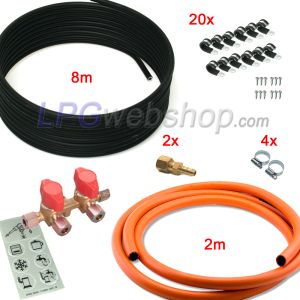
Downstream of the pressure regulator, the low-pressure section (30 mbar) begins. This part of the installation transports the gas to the appliances (heater, hob, refrigerator). Key components include:
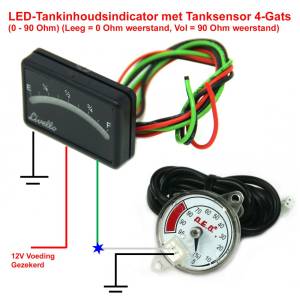
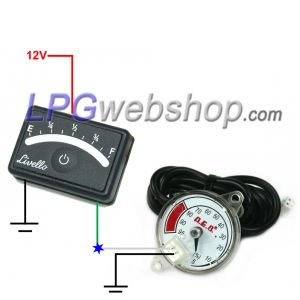
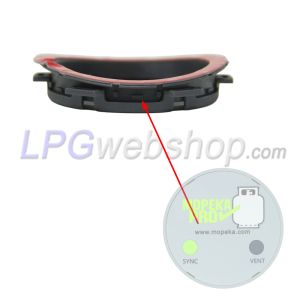
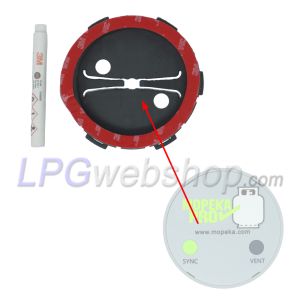
Don't want to bend down to check the gas level on the tank itself? There are several ways to read the tank contents comfortably from a distance:







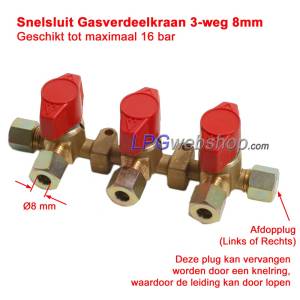
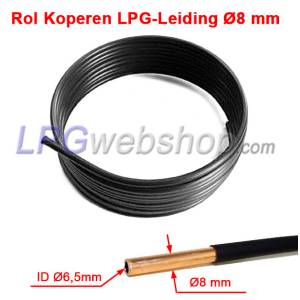
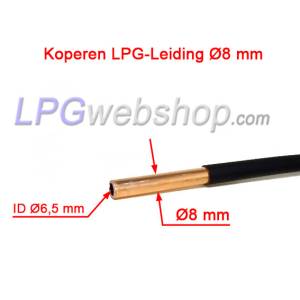
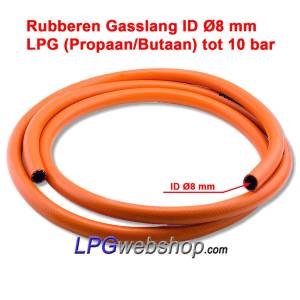
All of our red LPG vapor tanks comply with the strictest European safety requirements according to the UNECE 67R standard. This mark of approval is essential for the legal use of LPG tanks in vehicles throughout Europe. Any potential re-inspection after 10 / 20 years depends on national regulations. In many countries, a visual inspection during, for example, the periodic vehicle inspection (MOT) is sufficient.
Every new tank is supplied with a specific Certificate (usually A5 format). This document is located on the box or in a transparent envelope attached to the tank itself. It contains unique information such as the serial number, the production date, and the specific inspection data of your tank.
Keep this document very safe! The certificate is unique and, if lost, is extremely difficult and costly to obtain again via the manufacturer. You will need this document for the inspection of your installation.
In addition to the unique certificate, there is also a general type approval document. This document pertains to the specific tank model (for example, all tanks with a certain diameter from a specific manufacturer).
Downloading: You can find the general type approval document under the "Downloads" tab on this product page. Please note: this general document never replaces the aforementioned unique tank certificate!
Want to know more about how to read the markings on the tank itself? Check out our tutorials on LPG regulations.
The shipment of LPG gas tanks requires careful handling and preparation. Since each tank is assembled specifically for you, please take note of our shipping and collection procedures.
Shipping costs depend on the destination and the total weight of your order. You can easily view the shipping costs by placing the product(s) in your shopping cart and specifying the destination.
It is possible to collect your order free of charge at our pick-up point in Eindhoven (Ekkersrijt), The Netherlands. This is strictly by appointment only.
After you have placed your order, our specialists will get to work for you. We prepare the LPG tank in the configuration you ordered, which includes professionally mounting the tank accessories (such as valves and gauges) and testing for leaks.
As this is a precision job requiring expertise, we are not always able to ship the tank or have it ready for collection on the same day the order is placed. We appreciate your understanding.
Refuelling an LPG installation at a regular gas station is permitted in many countries, provided that the entire system complies with the European EN 1949 standard. This directive ensures that the installation is safe for use in recreational vehicles.
To refuel safely, the installation must comply with the following strict rules:
While EN 1949 is the European foundation, countries like Germany (G 607) and Italy apply additional requirements:
Always inform yourself about the specific rules of the countries you plan to visit to avoid issues at gas stations or during technical inspections.






Data sheet
No customer reviews for the moment.