




























 CONTACT FORM
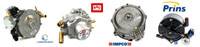
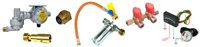
As a supplier, we offer gas equipment that fully complies with the G607 (EN 1949) standards . We also have the necessary expertise to ensure that your gas installation is safe and reliable.
The following related tutorials are associated with this article:
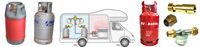
LPG installation in a recreational vehicle like a RV Camper, Caravan or Food Truck
LPG Vapor Tanks for RV Campers, Caravans and Food Trucks
Pressure Regulators for Gas Bottles and Vapor Tanks
Installation instructions for LPG cylinder tanks (vapor tanks) in (recreational) vehicles
The EN 1949 Standard: The European Standard for Safe LPG Systems in RVs and Caravans
What is an LPG Gas Bottle and what different types are there?
Through our extensive dealer network we can offer G607 inspections for your camper or caravan. After the inspection you will receive an inspection booklet with detailed information about the characteristics of your gas system, as well as a sticker that you can attach to the vehicle. The inspection is valid for a period of 2 years. When it is time for a re-inspection, this can easily be arranged through the same dealer network and inspection booklet, so that the inspection history remains up-to-date.
Are you looking for a certified inspection company or recognized body in your area? Please contact us via email, WhatsApp or our contact form. Please include your zip code so we can help you find the nearest location for a G607 inspection .
But what is the G607 (EN 1949) regulation?
The DVGW G607 regulation is a German standard that provides guidelines for the installation and maintenance of gas systems in recreational vehicles, such as campers, caravans and boats. This regulation aims to ensure safety when using gas installations in these vehicles. DVGW stands for Deutscher Verein des Gas- und Wasserfaches , an organization that develops norms and standards for gas and water installations.
The G607 regulation covers, among other things, the following aspects:
- Installation : The regulation specifies how gas installations must be correctly installed in vehicles, including the requirements for gas bottles, pipes and connections. It ensures that installations are safe and reliable.
- Materials : The regulations set requirements for the materials used for gas installations, such as the quality of the pipes, couplings, gas bottles and safety systems.
- Ventilation : The G607 code requires that adequate ventilation be provided to ensure safe operation of the gas system so that there is no risk of carbon monoxide poisoning or gas build-up.
- Inspection and maintenance : The regulations stipulate that gas installations must be regularly checked and inspected, both during installation and during use. This ensures that any defects are detected and remedied in a timely manner.
- Fire safety : Specific requirements are imposed on the fire safety of gas installations, such as the correct placement of gas bottles and the use of fire-safe components around the system.
The G607 regulation (EN 1949) is often used when inspecting motorhomes and caravans for sale or after installation of a new gas system. The aim is to ensure that the users of the vehicles can safely cook, heat and use other gas appliances without risk of accidents or damage.
It is important that gas installations comply with these regulations to ensure both the safety of users and the validity of any insurance.
Is this inspection mandatory?
For recreational vehicles registered in Germany, it is mandatory to have a gas inspection carried out every two years. During such an inspection, campers and caravans receive an inspection booklet in which the technical details of the gas installation are recorded and a sticker that is placed on the vehicle. However, for non-German recreational vehicles travelling through Germany, a G607 inspection is also often required.
In addition, some campsites and camper sites in Europe require the camper or caravan to have a G607 inspection and a certificate or sticker may be requested.
In the Netherlands, a G607 inspection is often requested by insurers. They may require a G607 inspection to be carried out before the insurance for the vehicle is taken out or extended, especially if the gas installation is seen as a risk.
There are several situations in which a G607 inspection is required:
- When selling a second-hand camper or caravan : If you buy a second-hand camper or caravan that is equipped with a gas installation, it may be mandatory to have a G607 inspection carried out, especially if the gas installation has not been inspected recently. This is to guarantee that the installation complies with the applicable safety standards.
- After installing or replacing a gas system : When you have a new gas system installed in a vehicle or replace an existing system, it must be inspected according to the G607 standard. This ensures that the system has been installed correctly and is safe to use.
- After a major repair or modification to the gas installation : If major modifications or repairs are carried out to the gas installation, such as replacing gas pipes or installing new gas bottles, a new inspection may be required.
- Insurance requirements : Some insurers may require a G607 inspection to be carried out before taking out or renewing insurance on the vehicle, particularly if the gas installation is considered a risk.
- Periodic inspection : Depending on the use and age of the gas installation, a periodic inspection may be necessary. This may be the case, for example, with older campers or caravans, to ensure safety.
Does the German G607 Approval Specify How an LPG Tank or Gas Cylinder Must Be Mounted?
This is an important question for the German market. The short answer is:
Yes, the German G607 approval does indeed contain specific requirements for the mounting of LPG tanks and gas cylinders.
Unlike the EN 1949 standard, which focuses on the gas installation system, G607 is a German technical approval that contains comprehensive regulations for the complete installation, including mechanical mounting.
Specific G607 Mounting Requirements
The G607 contains detailed regulations for the mounting of both fixed tanks and portable gas cylinders:
For Fixed LPG Tanks and Fixed Refillable LPG Gas Bottles:
- Mounting must be done with suitable, galvanized or stainless-steel mounting straps
- Minimum strength requirements for mounting materials
- Specific clearance to bodywork components (at least 10 mm)
- Protection against corrosion and vibrations
- Resistance to forces from all directions (including in accidents)
For interchangeable gas cylinders (bottles) in lockers:
- Mandatory securing against tipping and sliding
- Secure enclosure even in case of door damage
- Accessibility for inspection and replacement
- Ventilation requirements for the storage compartment
Practical G607 Requirements in Detail
- Mounting straps must have a specific minimum width
- Specific mounting points on the vehicle chassis
- Use of suitable mounting materials (no standard hardware)
- Documentation of the mounting in the installation certificate
- Inspection by a certified installer required
Difference from EN 1949
While EN 1949 is a European standard focusing on the gas installation system, G607 is a German approval that:
- Has more detailed requirements
- Includes explicit mounting requirements
- Is mandatory for vehicles in Germany
- Is regularly updated with new technical requirements
Conclusion
For the German market, it is essential to know that:
- EN 1949 forms the basis for the gas installation system
- G607 imposes additional and stricter requirements, including detailed regulations for mechanical mounting
- Both certifications are required for a compliant installation in Germany
Differences and similarities G607 and EN 1949
The G607 test and the EN 1949 test are both related to the safety of gas installations, but they are intended for different applications and standards. Here is some more detail about both tests:
1. G607 Inspection
The G607 inspection is an inspection that is specifically aimed at gas installations in mobile vehicles such as caravans , campers or boats . It is an inspection standard for gas installations in these vehicles, which must meet the safety requirements for gas consumption and gas pipes. The inspection is often carried out as part of the annual inspection, or when a vehicle is put into use or undergoes a change that concerns the gas installation.
During a G607 inspection, the gas installation is checked for safety and conformity with the applicable standards. This includes:
- Checking gas pipes, gas equipment and appliances for leaks, wear and tear and correct functioning.
- The correct placement of gas bottles and ventilation facilities.
- The operation of the gas exhaust and the presence of sufficient ventilation to prevent dangerous accumulations of gas.
- Check for possible carbon monoxide formation when using gas.
A successful G607 inspection ensures that the gas installation is safe and that the vehicle meets the requirements of the safety guarantees.
2. DIN EN 1949 Inspection
The EN 1949 is a European standard that specifically concerns gas installations in vehicles, caravans, boats and watercraft . This standard describes the requirements for installation and operation of gas installations in these vehicles and watercraft to ensure the safety of the user.
The EN 1949 test is therefore the European standard that has a similar purpose as the G607 test, but it is broader and more specifically aimed at gas installations in mobile homes (such as caravans, campers, boats) in general.
During an inspection according to the EN 1949 standard, the following is checked:
- The gas installations (gas pipes, gas bottles, and appliances) are inspected for correct installation and operation.
- Checks are made for leaks and the presence of proper ventilation to ensure that no build-up of dangerous gas or carbon monoxide can occur.
- The inspection also looks at fire safety and whether the gas installation meets the requirements of European legislation.
Differences between G607 and EN 1949
- G607 is specific to Germany and aimed at gas installations in mobile vehicles such as caravans, campers and boats.
- EN 1949 is a European standard that regulates the same type of gas installations , but the rules can also apply in other countries for vehicles that travel or are sold internationally. This standard is widely used for vehicles that travel or are sold in European countries.
In summary:
- The G607 inspection is a German inspection for gas installations in vehicles such as campers, caravans and boats.
- DIN EN 1949 is a European standard that regulates gas installations in vehicles, caravans, boats, etc., with a wider field of application.
Both inspections are essential for ensuring the safety of gas installations in vehicles and are often carried out by recognized inspection bodies. If you have a camper, caravan or vessel with a gas installation, it is important to have these inspections carried out regularly to prevent dangerous situations such as gas leaks or carbon monoxide poisoning.
Note: This article serves as a guideline. The current G607 standard is the definitive document for specific requirements in Germany.
This article is protected by copyright. (Partial) reproduction of this article is punishable.
Disclaimer
The information in this article is intended solely as an aid and has been compiled to align as well as possible with applicable regulations and guidelines. National regulations may deviate from this or impose additional requirements. Installers and users are themselves responsible for (having) the gas installation checked and complying with applicable local laws and regulations. Always consult a certified professional for this.
Despite the care with which this information has been compiled, there is a possibility of errors and omissions. No rights can be derived from this article. The most recent and local official standards and regulations are always leading.
In addition to this specific disclaimer, our general disclaimer also applies, the link to which can be found in the menu in the footer (page end).